Automatic Extinguishing Systems
- Home
- Automatic Extinguishing Systems
Automatic fire suppression systems control and extinguish fires without human intervention. Examples of automatic systems include fire sprinkler system, gaseous fire suppression, and condensed aerosol fire suppression.
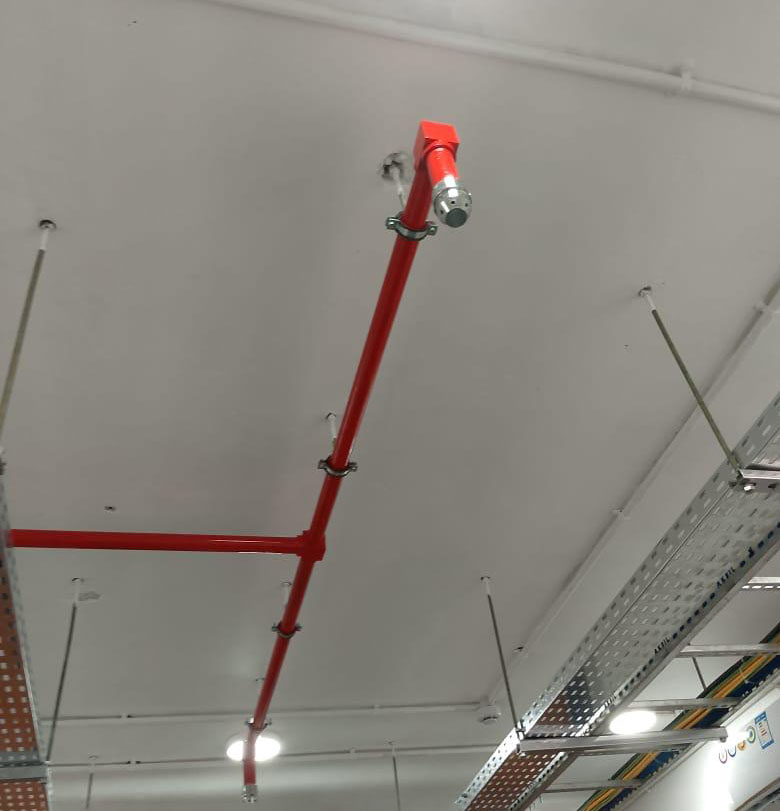
Fire Sprinkler Systems
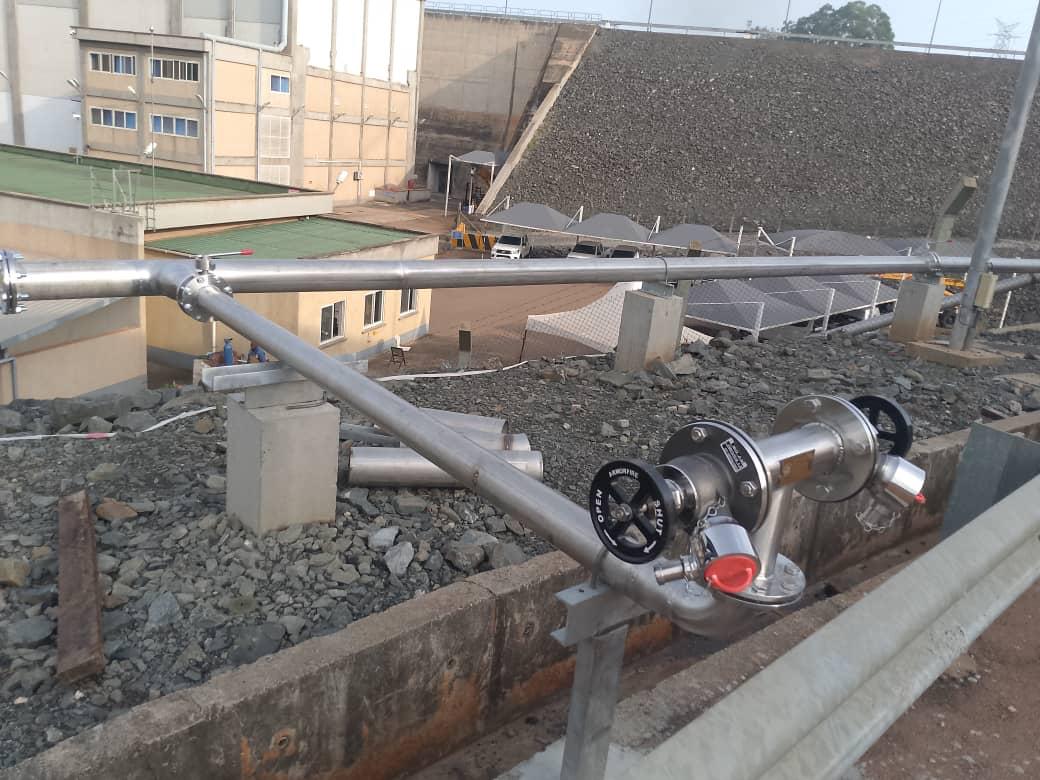
Fire Hydrant Systems
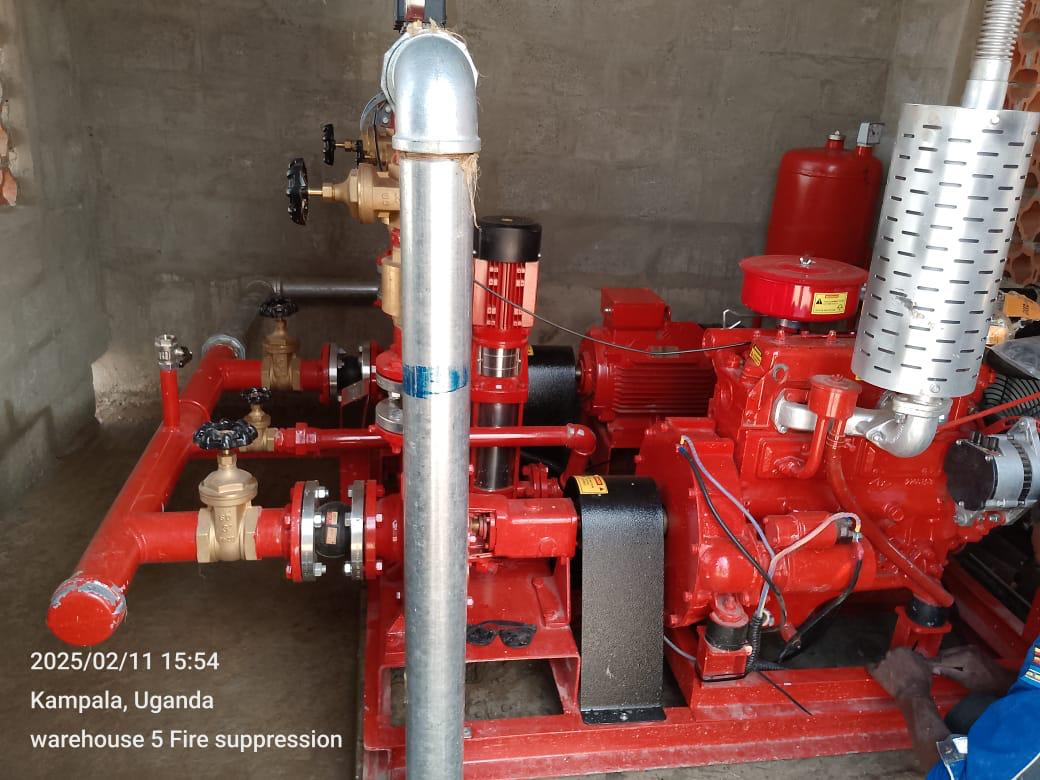
Fire Hydrant Pumps
Clean Agent Fire Suppression Systems
Gaseous Fire Suppression
Also called clean agent fire suppression, is a term that describes the use of inert gases and chemical agents to extinguish a fire.
There are three common clean agent fire suppression systems to choose from, including: FM–200, 3M™ Novec™ 1230, and Inergen Clean Agent Fire Suppression System,
All systems use gases that are safe for the environment and humans, but they utilize different ways of suppressing a fire.
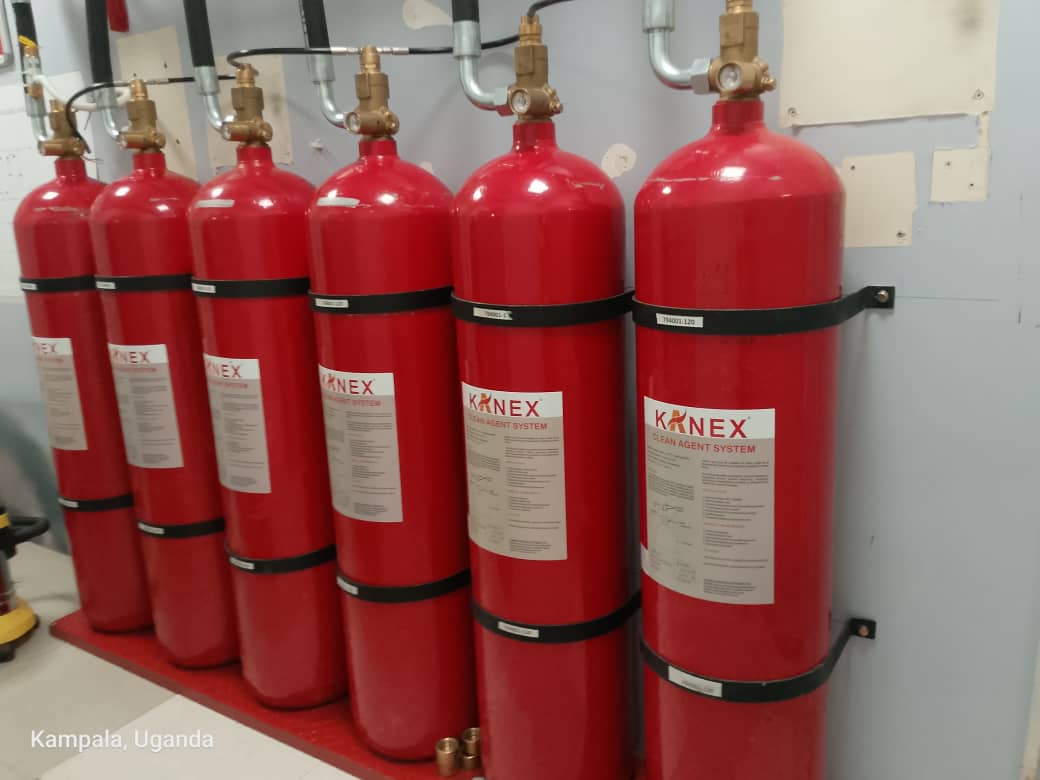
a. The FM–200 system is stored as a liquid and vaporizes when discharged. The system displaces the oxygen around a fire, but heat absorption is its primary extinguishing capability.
b. The Inergen system uses inert gases– nitrogen, argon, and carbon dioxide– to reduce the oxygen level and suppress the fire. While carbon dioxide is included, the concentration is safe for humans and the environment. Once the Inergen concentration is discharged, it returns to the atmosphere in its natural state.
c. The 3M™ Novec™ 1230 system uses a liquid that is vaporized when discharged, similar to the FM–200 system. However, unlike the FM–200 which suppresses the fire by heat absorption or cooling, the 3M™ Novec™ 1230 displaces the oxygen around a fire to suppress it.
Parts of a Fire Suppression System
A clean agent fire suppression system is commonly made up of three parts: smoke detectors, the control panel, and notification devices. The smoke detectors work as usual and will detect a fire before it has time to escalate into an uncontrollable event.
The smoke detector will send a signal to the control panel, which then alerts the notification devices and activates the release device to suppress the fire. The notification devices are there to warn occupants of the fire, and alert people in the area when the clean agent is about to be released.
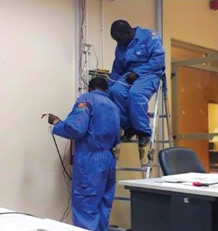
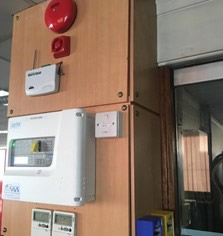
Hillmark Fire Protection at Work. Cabling for a Fire Detection System
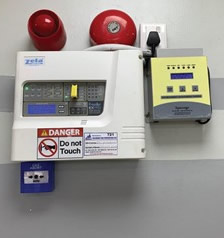
Zeta Fire Suppression Panel, Abort Switch and Manual Call Point, Bell and Sounder with a GSM Unit