Fire Fighting Systems (Hydrants)
- Home
- Fire Fighting Systems (Hydrants)
A Fire Hydrant system is a safety measure or emergency equipment required in some buildings that comprises some components that when assembled together provide a source of water to assist authorities in a fire. It has to have sufficient pressure and flow delivered through pipes and strategically placed throughout the building in a network of valves for fire fighting. Pressure and flow requirement vary according to building floor area and classification.
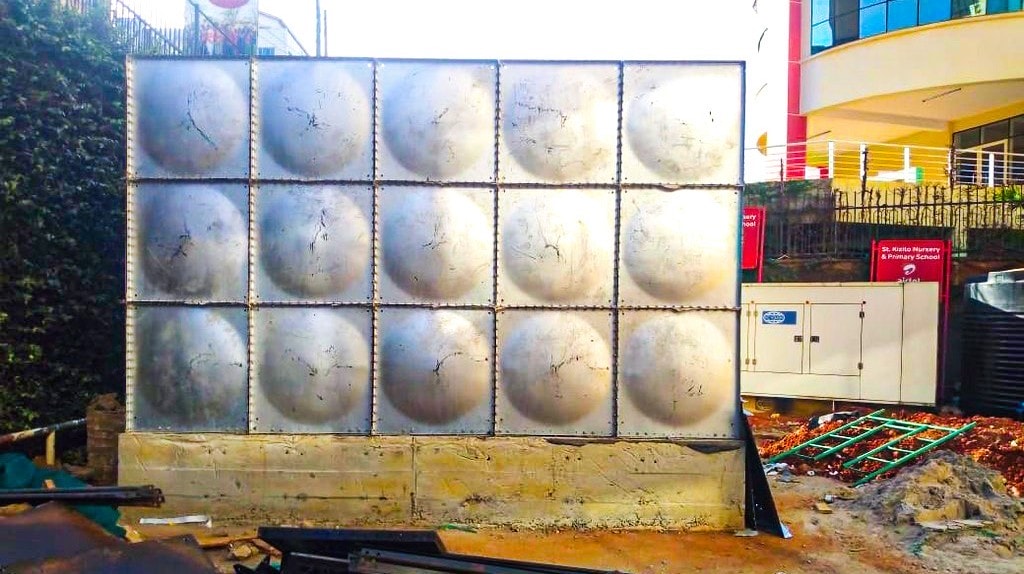
Water Storage
This can be derived from water mains or static water supply such as a tank or dam. The water storage must be reliable and should be subject to automatic replenishment due to water loss through leakages, system testing, and evaporation.
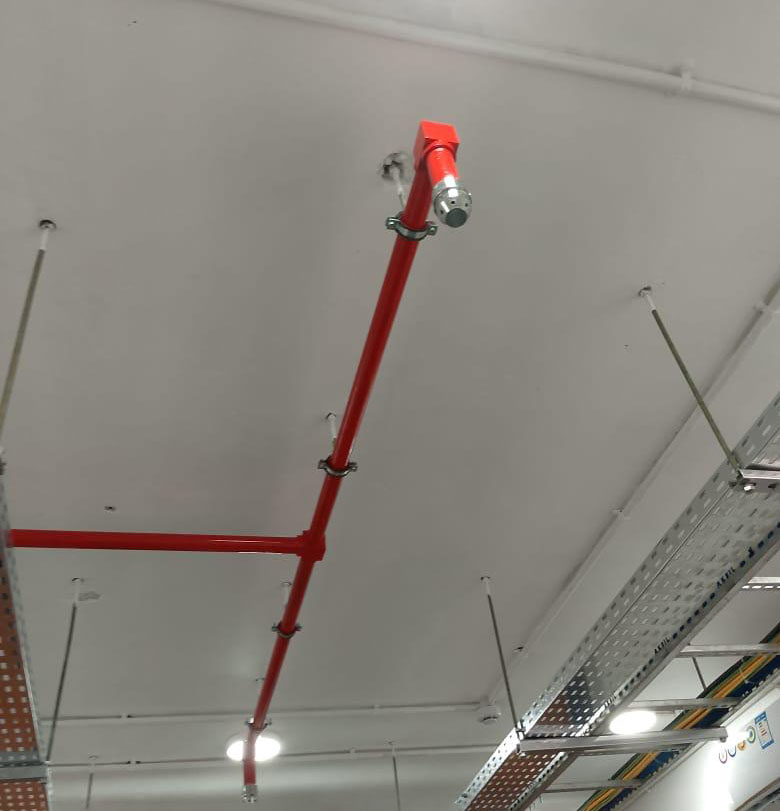
Pipework and Valves
The connection from the water mains or storage requires systematic connection to the hydrant valve (destination) using a series of pipes interconnected at defined sizes. This network directs the flow of water.
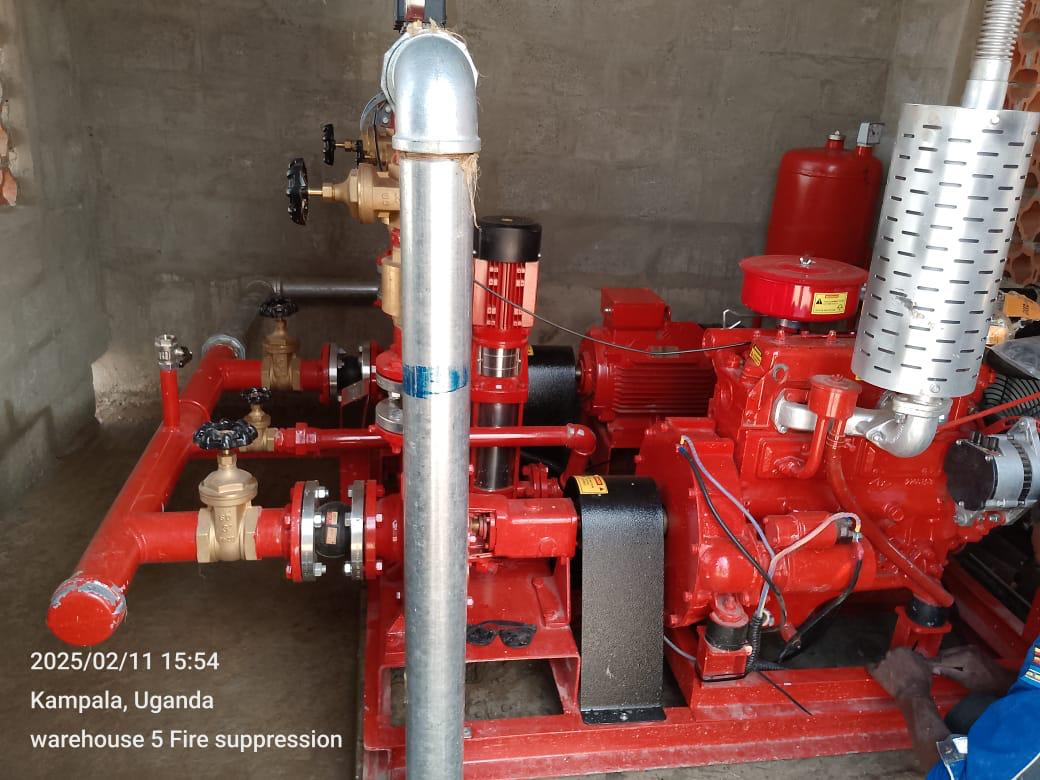
Booster Pump Set
In some circumstances where a hydraulic analysis has determined that the water supply is insufficient for the building requirements, one or more booster pump sets may be required. A pump set may comprise of a combination of electric or compression ignition (diesel) motors
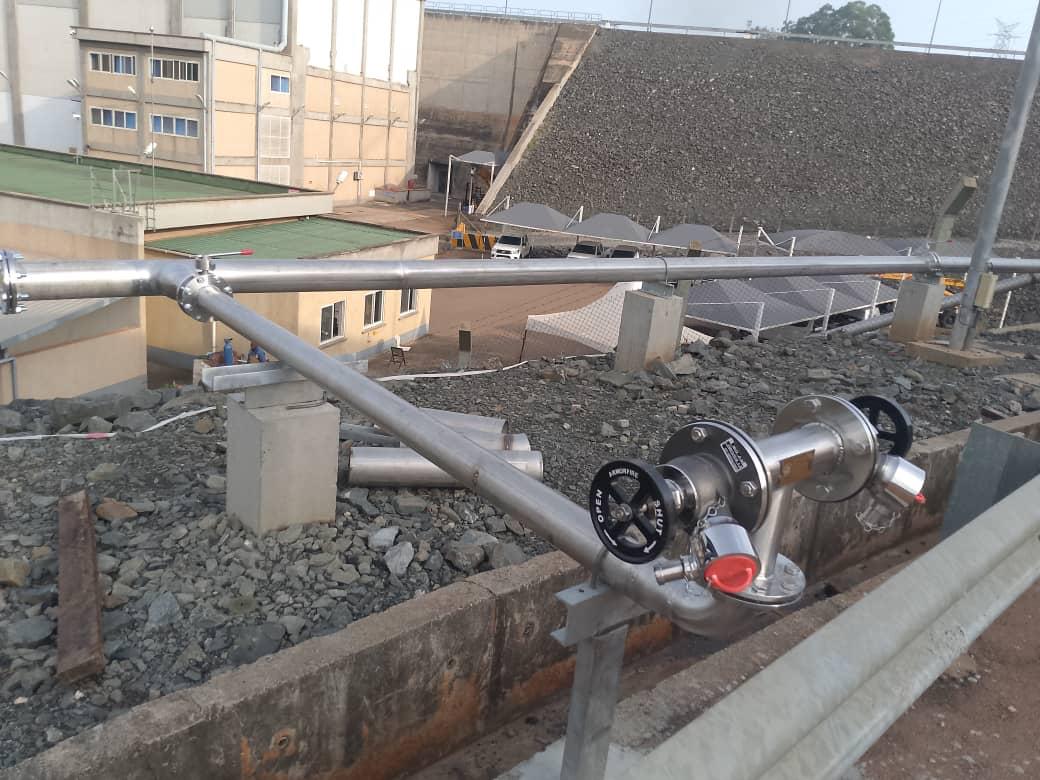
Fire Hydrant Systems
The end–point of a fire hydrant system is the Hydrant also known as a Hydrant Valve or a Landing Valve strategically located throughout a building. The Hydrant must be fitted with a connection or coupling compatible with the local fire brigade. Care must be taken to ensure each fire hydrant is readily accessible and has sufficient clearance to serve the purpose it is intended.
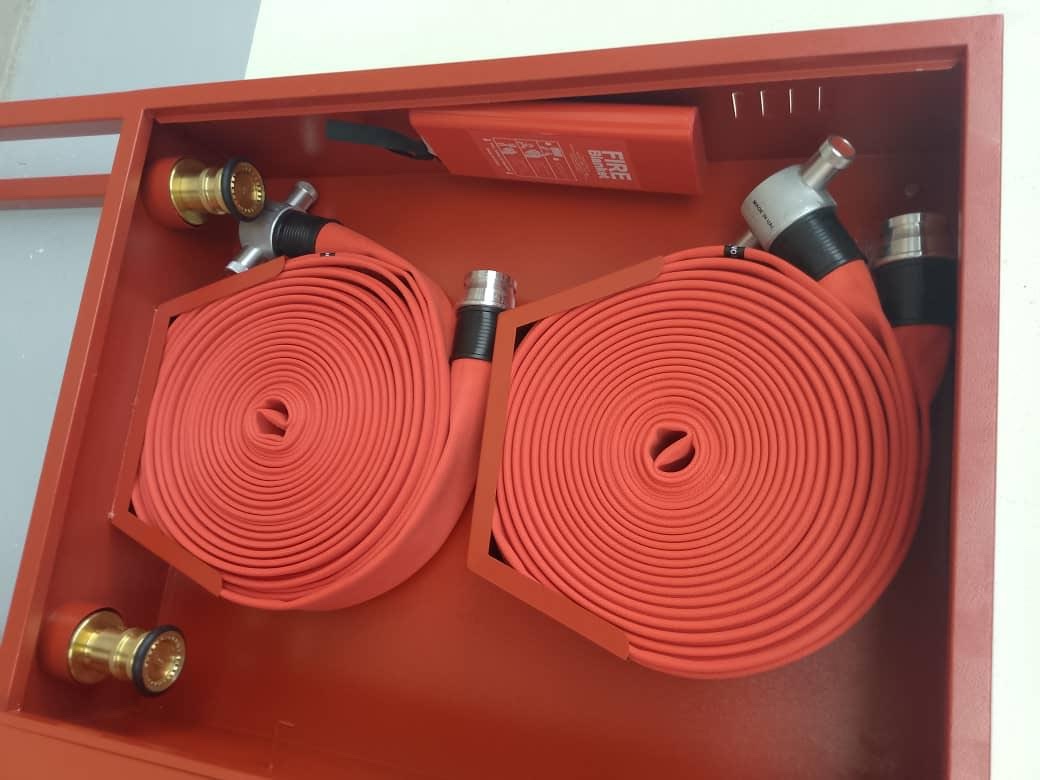
Lay flat Fire Hose
Some buildings may also require as part of the approved design the installation of ancillary equipment such as a Lay flat fire hose. A lay flat fire hose is a flexible hose and nozzle that may be connected to a hydrant.